
Work used to move slower. There was more room for delay, more tolerance for small mistakes. That is not really the case now. Deadlines feel tighter. Expectations feel higher. And even small inefficiencies start showing up quickly.
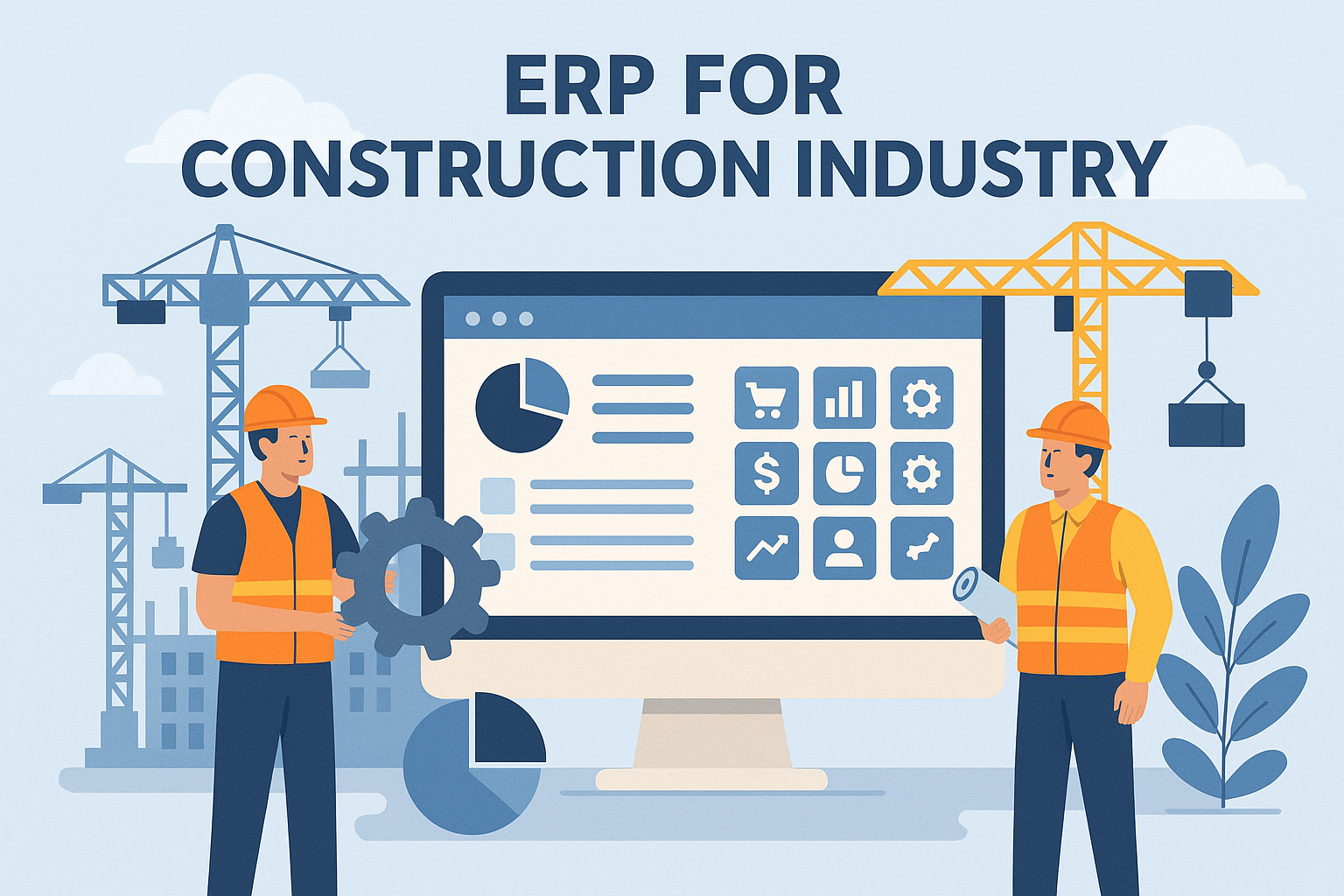
So businesses begin looking for ways to improve how things run, often coming across research snipers best construction ERP software while exploring possible solutions, not in a big dramatic way, just small improvements that make daily work easier.
What systems actually improve workflows
Not every system improves things automatically. It depends on how it is used.
Some systems bring structure. Others bring visibility. A few manage to do both.
- Tasks become easier to track
- Teams know where to look for updates
- Less time is spent searching for information
These are simple changes, but they reduce friction in daily work. And that adds up over time.
How businesses measure progress over time
Measuring progress is not always straightforward. Some improvements are easy to see. Others are not.
For example, faster task completion is clear. But smoother communication is harder to measure. So businesses look at a mix of things.
They observe patterns. They notice if work feels easier. They check if delays are reducing. It is not always precise. But it gives a general idea.
The role of integration in operations
Integration helps different parts of work connect better. Without it, systems feel separate.
With integration, information flows more smoothly between teams.
- Updates do not need to be repeated
- Data stays consistent across sections
- Teams work with the same information
But integration can also feel complex at the beginning. Not every setup is simple.
Where improvements feel most visible
It usually starts with the small stuff. Daily work feels a bit easier. Fewer follow ups. Less confusion here and there. Nothing loud, just a gradual shift that you kind of notice later.
But yeah, sometimes it feels almost too quiet. Like is this even a change? There’s no big signal. No clear moment. And that’s where the doubt comes in, even when things are actually moving in a better direction.
What influences long term adoption
Adoption depends on comfort. If a system feels too difficult, people stop using it properly. If it feels manageable, they stick with it.
After exploring something like research snipers best construction ERP software, businesses often realize that ease of use matters just as much as features. Because if people do not use the system consistently, efficiency improvements don’t really last.