

Preventive healthcare continues advancing through precise genetic screening technologies. Medical research increasingly supports early detection through advanced molecular diagnostics. Clinical interest grows around spotmas cancer dna test in singapore services. These methods provide deeper insight into hidden cancer risks. Patients gain meaningful awareness before symptoms begin appearing. Early understanding supports thoughtful decisions regarding personal health planning. Reliable screening therefore strengthens modern preventive healthcare strategies.
Genetic Screening Foundations For Early Detection
Modern preventive care increasingly includes detailed genetic cancer screening. DNA analysis now identifies hidden risk signals earlier. This proactive approach encourages earlier medical awareness decisions.
- Advanced DNA sequencing reveals silent cancer indicators
- Noninvasive sampling improves patient comfort levels
- Early detection improves long term survival possibilities
- Laboratory analysis supports accurate personalized reports
Early genetic insight offers individuals meaningful health awareness advantages. Medical professionals can design monitoring strategies earlier. Preventive healthcare therefore gains stronger direction through genetic evaluation.
What Makes DNA Cancer Screening Valuable Today?
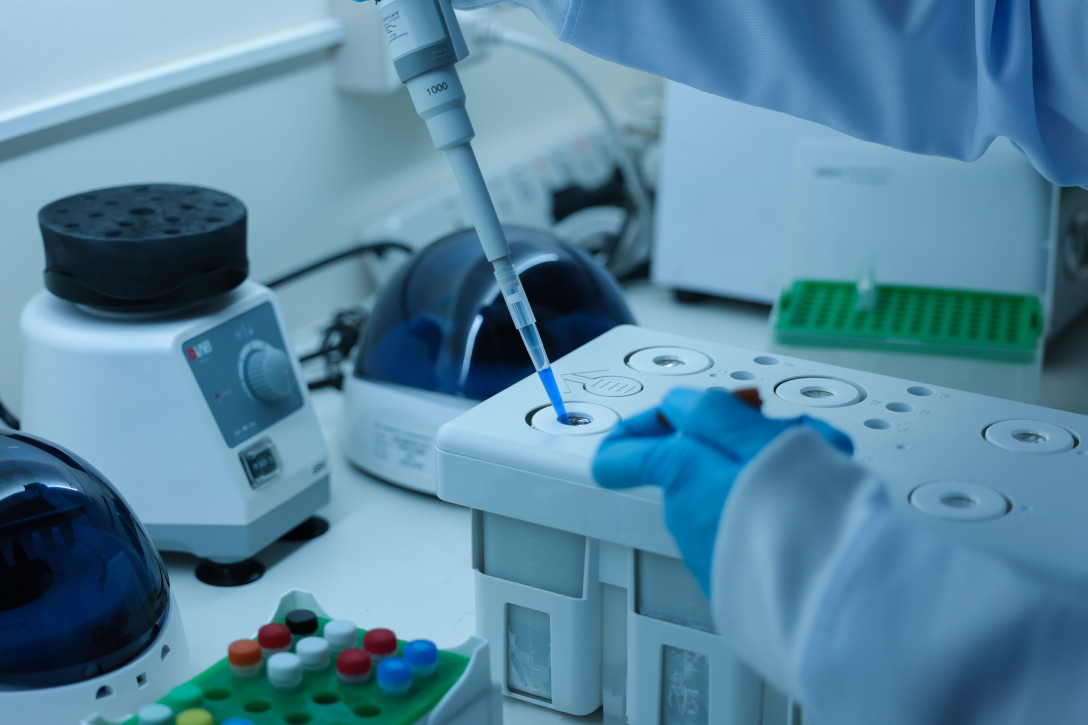
Cancer often develops quietly during early biological stages. DNA analysis helps detect cellular signals before symptoms appear. Genetic screening therefore offers meaningful predictive health awareness. Medical professionals evaluate results alongside personal health history. Preventive planning becomes easier with accurate genetic indicators available.
Laboratory Processes Behind Genetic Cancer Testing
Advanced laboratories handle sensitive genetic material with precision. Specialists analyze molecular fragments searching for unusual mutations. Technologies supporting spotmas cancer dna test in singapore improve detection accuracy.
- High sensitivity sequencing detects rare mutation signals
- Laboratory controls maintain consistent diagnostic reliability
- Specialist interpretation ensures meaningful genetic result clarity
- Multi stage analysis confirms mutation evidence carefully
Careful laboratory procedures strengthen confidence in reported outcomes. Reliable analysis supports thoughtful conversations between patients and doctors. Preventive healthcare decisions therefore gain clarity through dependable diagnostics.
Could Early DNA Screening Reduce Future Treatment Complexity?
Cancer treatment often becomes complex during later detection stages. Early identification may support simpler medical intervention strategies. Genetic screening therefore helps physicians track risk patterns earlier. Monitoring plans may begin before illness develops significantly. Preventive awareness encourages timely health decisions across different age groups.
Personal Risk Awareness Through Genetic Insight
Understanding personal genetic risk creates valuable health awareness. DNA reports highlight inherited mutations associated with cancers. Physicians interpret these findings alongside lifestyle and history.
- Genetic markers reveal inherited cancer susceptibility patterns
- Personalized monitoring schedules improve preventive care planning
- Early awareness supports proactive clinical consultation decisions
- Detailed reports strengthen doctor patient medical discussions
Knowledge empowers individuals to take preventive health actions. Families may also gain insight into inherited risks. Preventive healthcare therefore becomes more informed and thoughtful.
Can Genetic Testing Guide Family Health Planning?
Inherited cancer risks sometimes affect multiple family members. DNA screening may reveal shared genetic patterns within families. Early awareness allows relatives to consider testing options responsibly. Doctors may suggest monitoring schedules based on inherited mutations. Family discussions often become clearer through shared medical knowledge.
Future Direction Of Preventive Genetic Health Monitoring
Healthcare continues expanding genetic testing for preventive medicine. Early screening technologies improve diagnostic sensitivity and reliability. Patients increasingly value proactive knowledge about personal cancer risks. Medical systems now support wider access to genetic evaluation. Preventive strategies will likely expand through continued diagnostic innovation.