
Caring for tyres is essential for safe driving and steady vehicle handling. Many people often wonder about tyre replacement and how it affects road safety. Knowing when to update them keeps every journey smooth and protected. You can notice clear signs like uneven tread or vibration while driving. Using regular checks, you can prevent breakdowns that cause stress. For those searching for support for tyres lismore, it is helpful to understand timing and conditions. Here we can see benefits, tips, and guidance that help you plan before serious problems appear.
Why is replacement important?
Tyres support the entire vehicle’s weight, so a weak condition result in trouble while moving. Proper replacement protects controlling ability, improves stopping response, prevents sliding, ensures stable direction around corners, and reduces unwanted shaking.
When do signs appear
Signs appear through shaking steering, cloggy movement, decreased road holding, patchy tread, or hard rubber that does not bend, making travel uncertain after long use.
How long do typical tyres last
Average use range depends on driving surface, rough weather patterns, and daily distance. Heavy friction harms rubber faster, causing a weaker grip that cannot support sudden stops in wet zones.
What affects lifespan
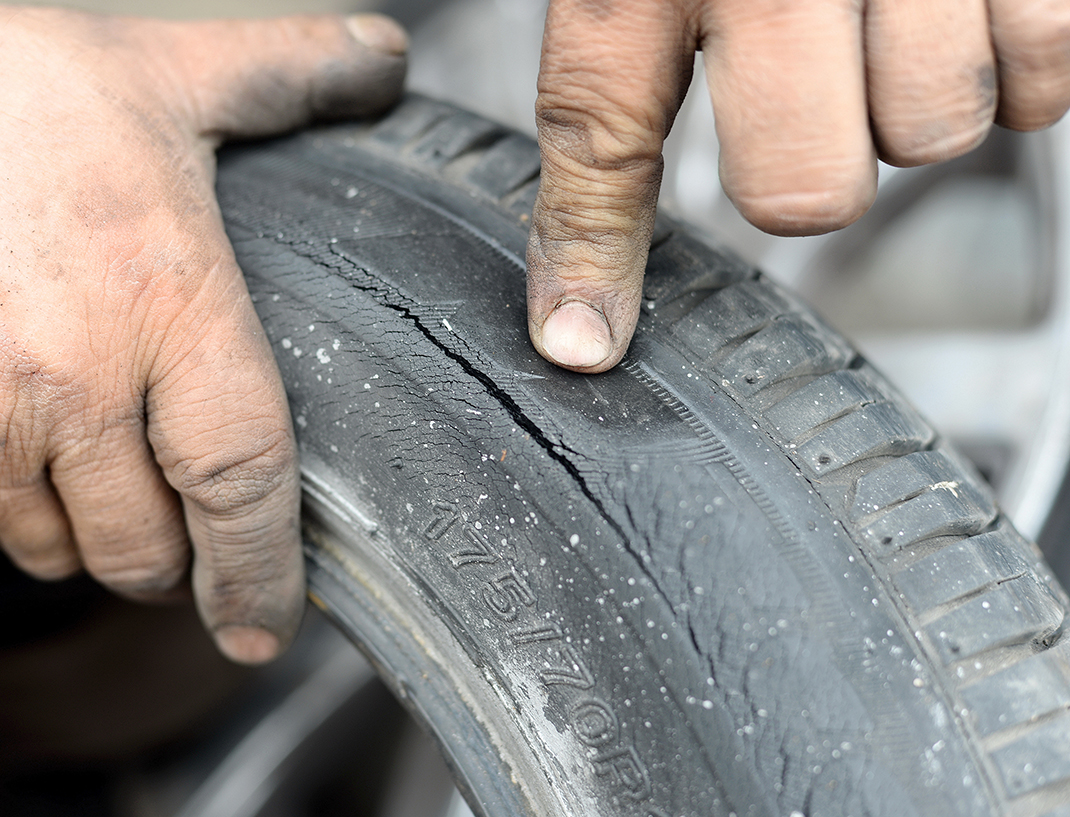
Extreme temperature changes, excessive speed, frequent quick braking, overloaded weight, and neglected pressure checks reduce lifespan since rubber wears down faster, creating risky surface contact, reducing safety.
How to measure tread depth
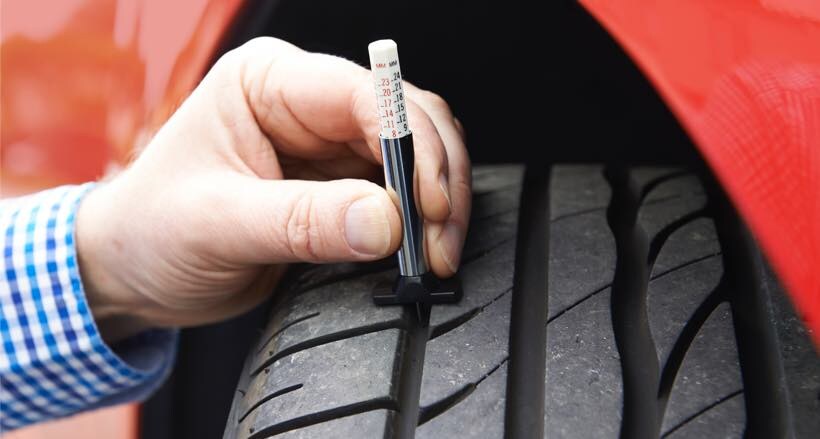
A simple depth check uses a small coin or gauge tool that shows remaining grooves, making it easier to know the proper time for changing damaged surfaces.
Why does road noise matter
Loud humming or strange scraping shows uneven wear and signals alignment trouble affecting movement quality, causing rough motion and slow turning response during tight spaces.
How does driving habit change the wear rate
Fast cornering, dusty tracks, sudden acceleration, long parking under heat, and harsh braking create damage that builds small cracks, turning into bigger weak spots over time.
Why do tyres age even without driving
Rubber changes texture when exposed to sunlight, dry air, chemical particles, and long storage without rotation, breaking down the structural strength that keeps the shape firm.
Why rotation improves life
Rotation spreads rubber use equally, balancing weight on different edges, protecting grip, reducing sliding, allowing smoother motion, longer stability, and stronger steering movement.
Useful checks
- Touch surfaces gently, find rough spots or raised lines showing early layered breaks
- Hold steering lightly, confirm no shaking through straight roads, indicating proper alignment
- Check edges closely for thin lines or dried patches around sides
- Watch the grip during wet days for slow stopping or gentle sliding issues
- Use a reading tool to measure groove space, ensuring proper depth remains strong
Strong planning avoids trouble and protects peaceful movement along every mile. If the surface looks worn or the handling feels unstable, quick action saves from bigger problems later. Considering the usage climate and visible marks, you can select the right moment without stress. Replacement at a sensible time builds confidence and strength during long travel. Proper care prevents sudden breakdown and keeps movement steady. You can rely on skilled guidance for safe fitting solutions. Anyone needing trusted support for tyres lismore can plan ahead and move safely wherever the road leads.